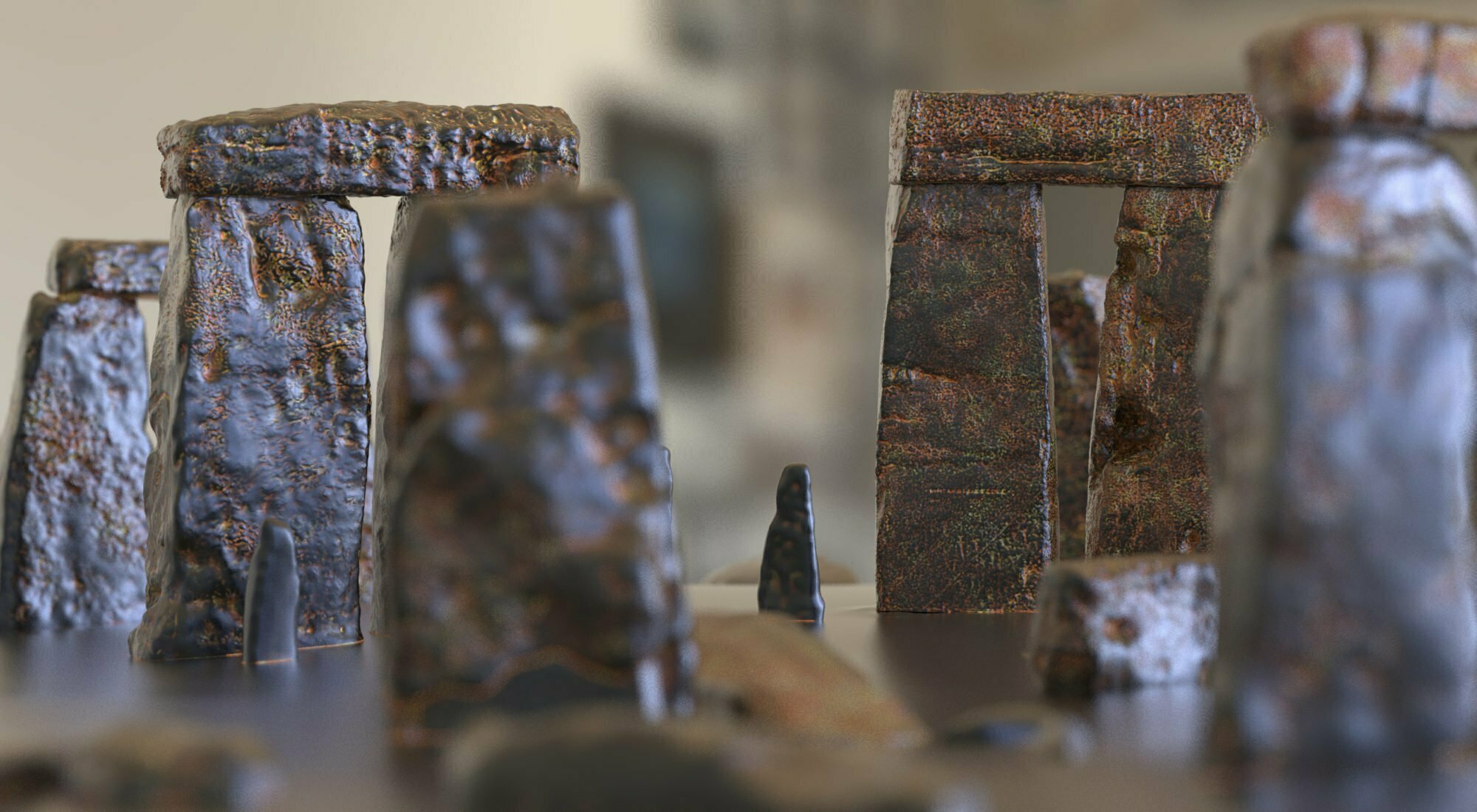
Copyright owner? Ugg the Builder
Expired
As the builder’s copyright expired some five thousand years ago, there is no copyright on Stonehenge.
My photographs of Stonehenge may carry their own copyright where they reflect my original choices – viewpoint, framing, light, timing and treatment. That protects the photograph, not the monument.
My sculptures are informed reconstructions of Stonehenge. I claim no copyright in the monument’s real geometry: somebody who independently surveys the stones may make their own model. My rights, where they arise, live in the original things I add – not in Stonehenge itself.
Nearly the same result
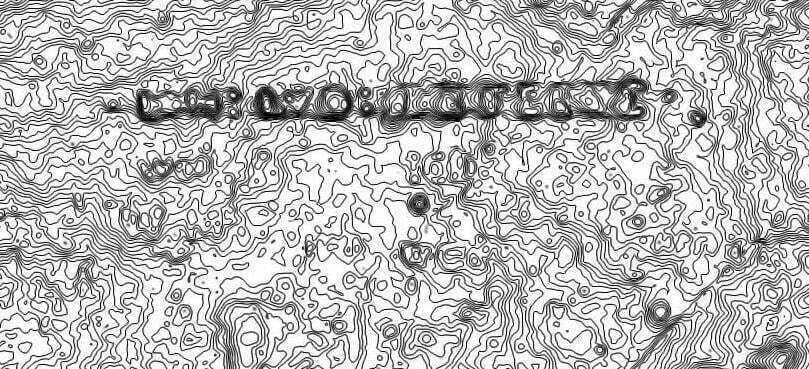
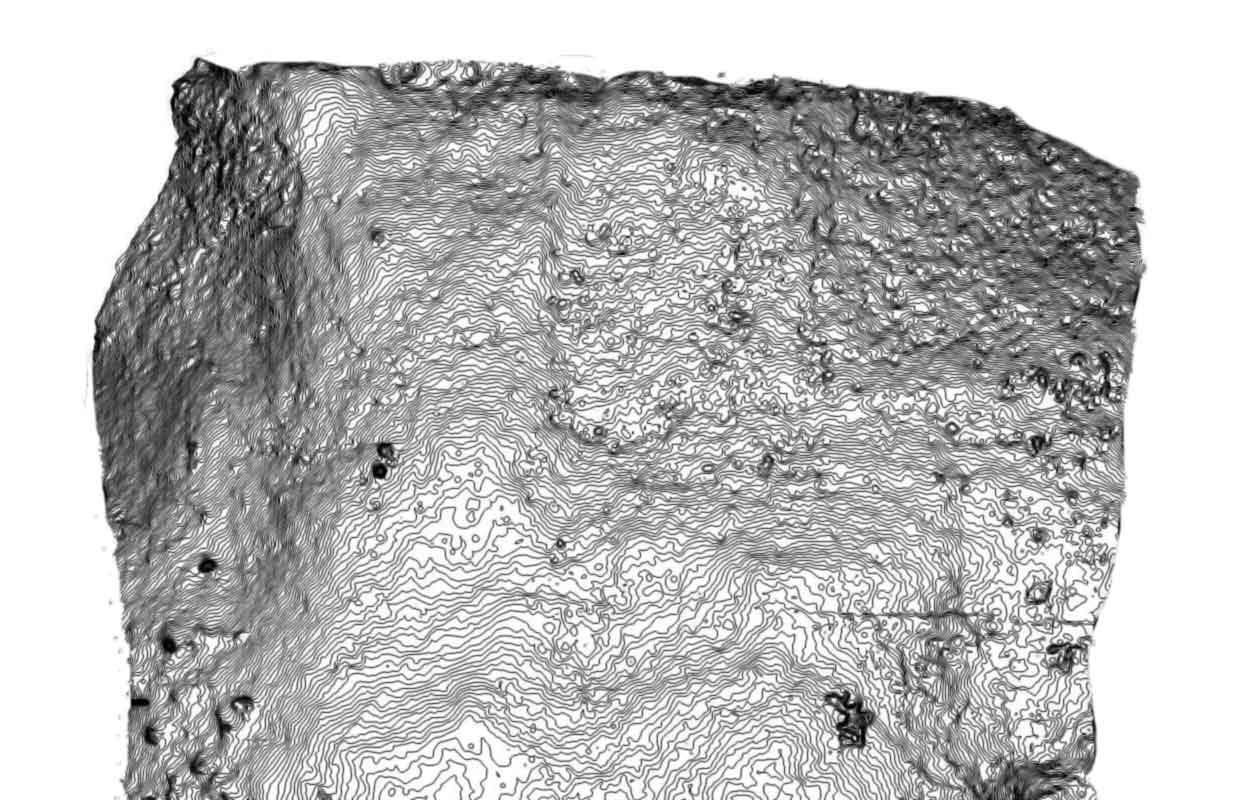
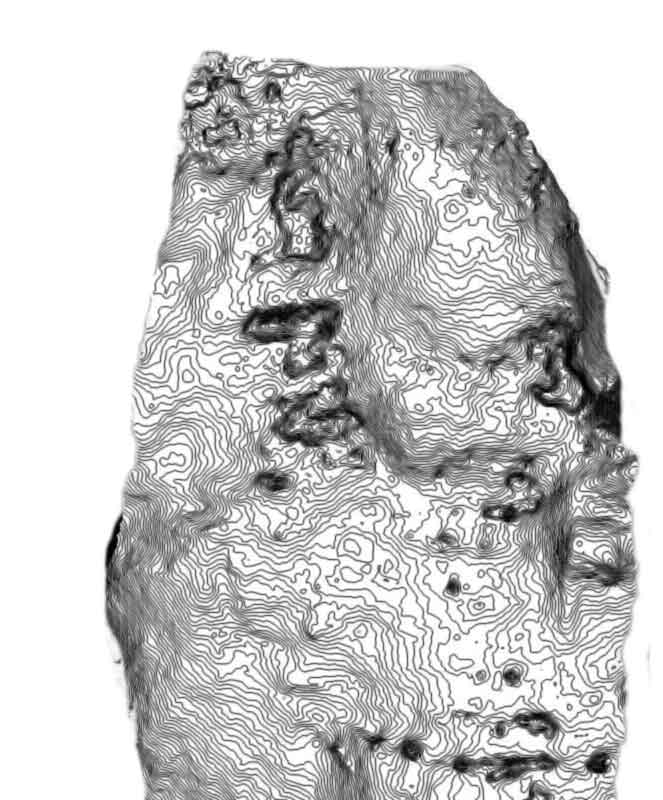
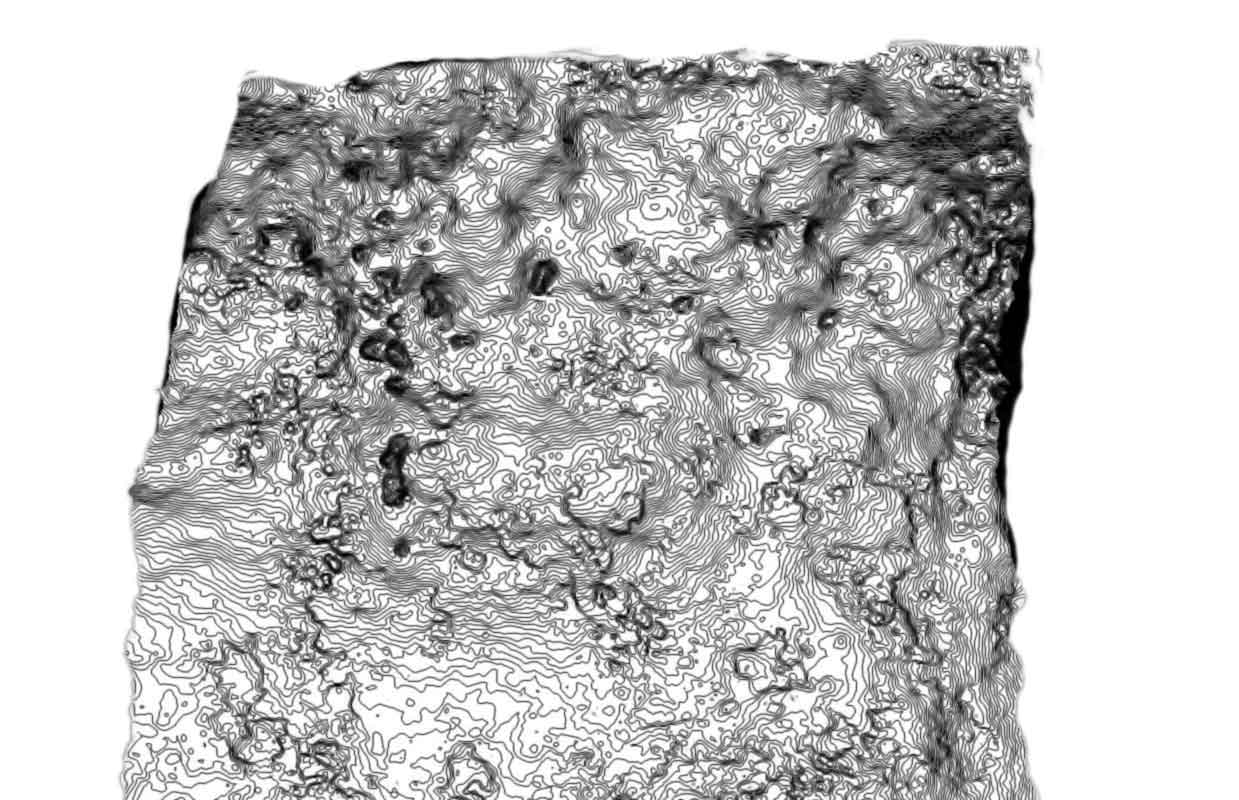
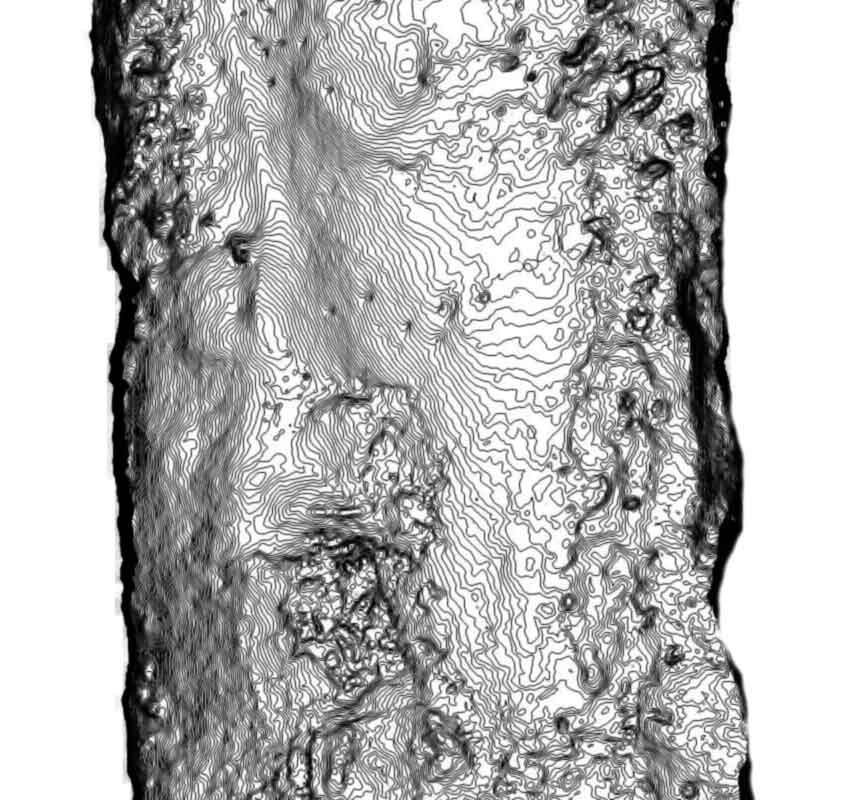
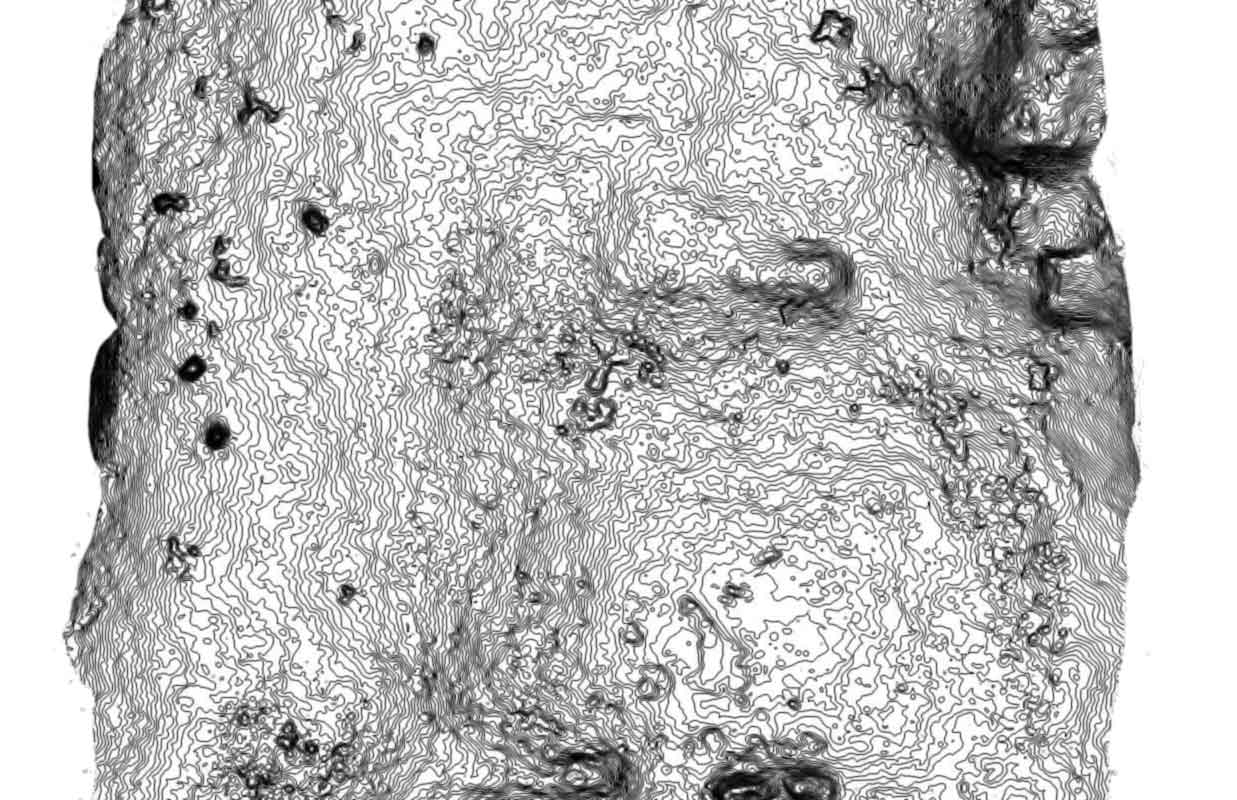
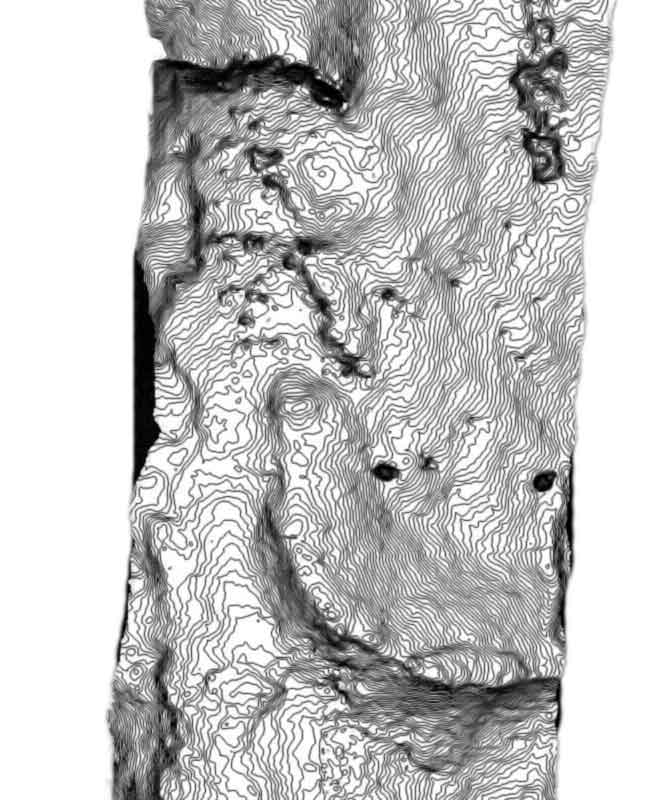
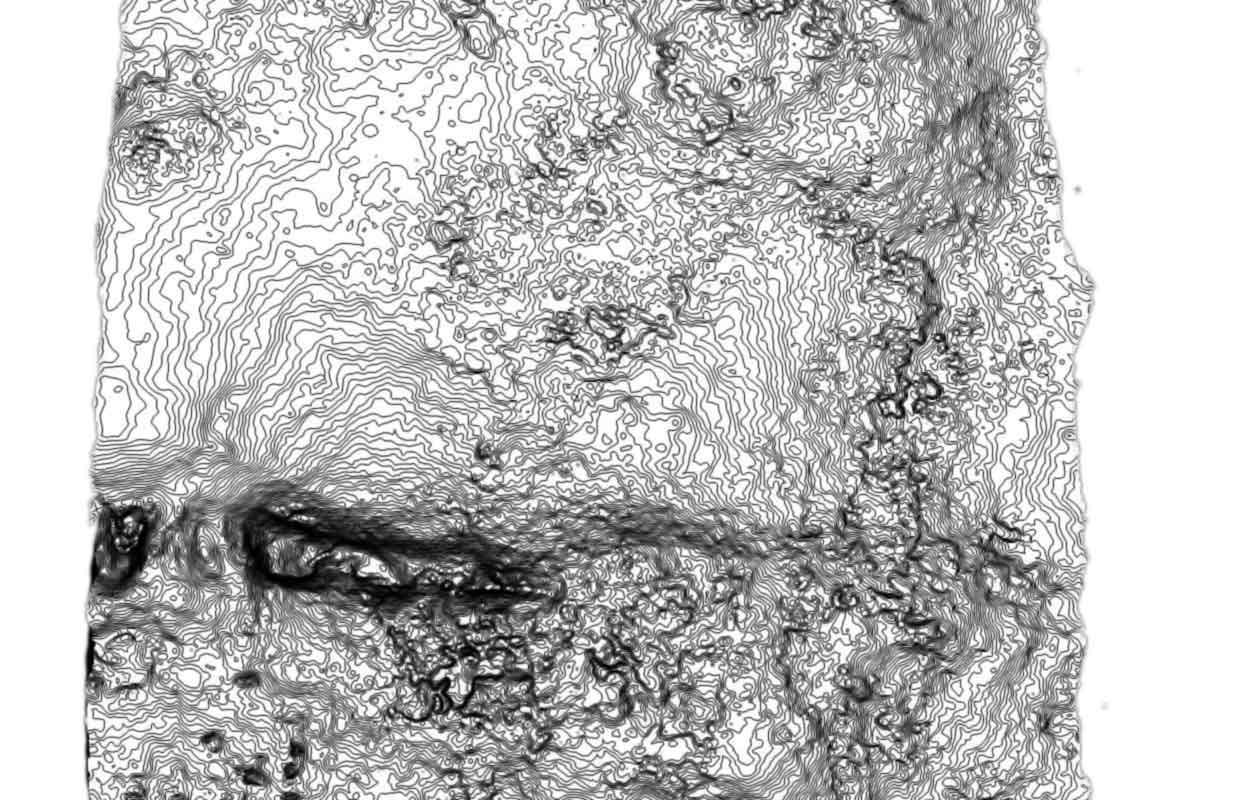
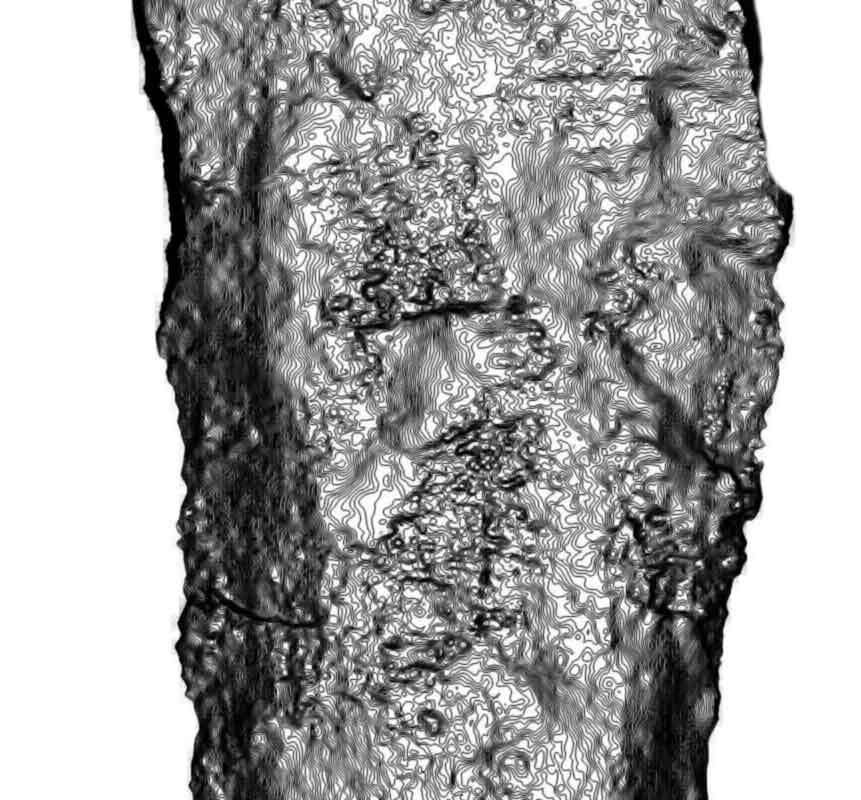
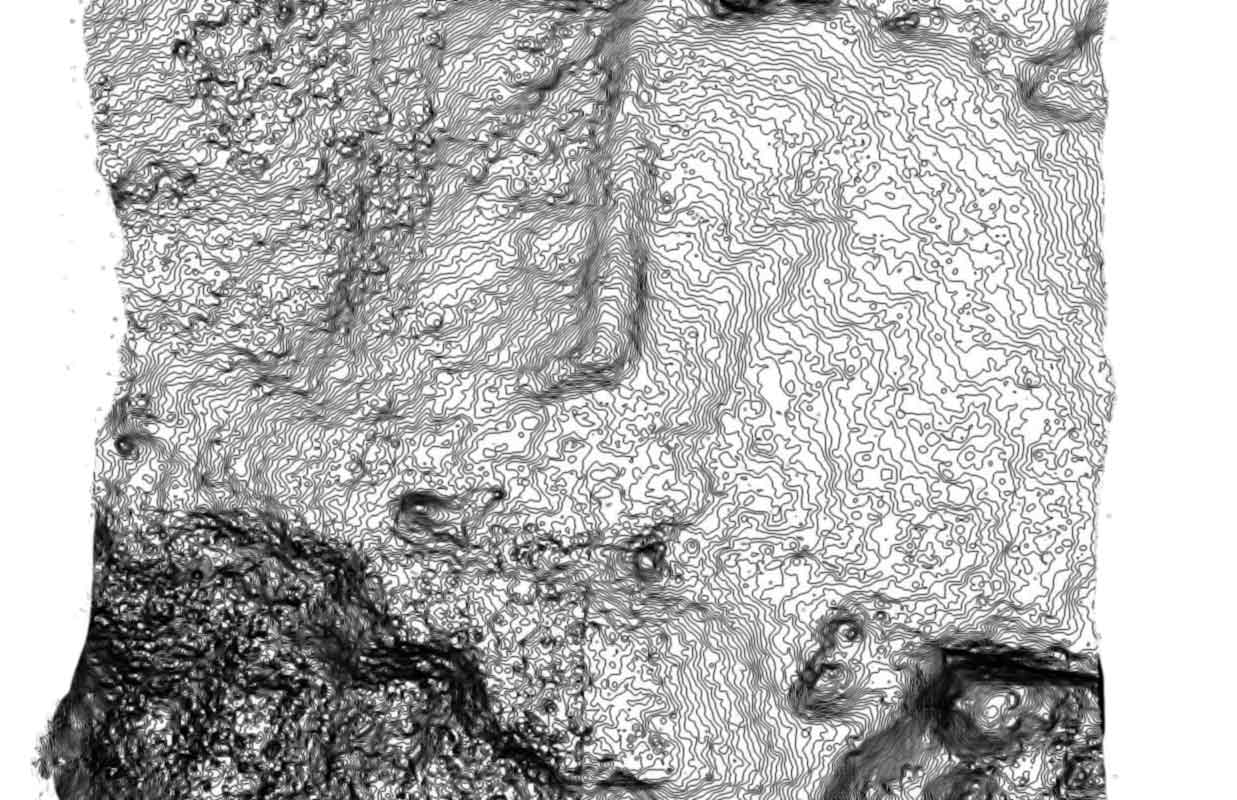
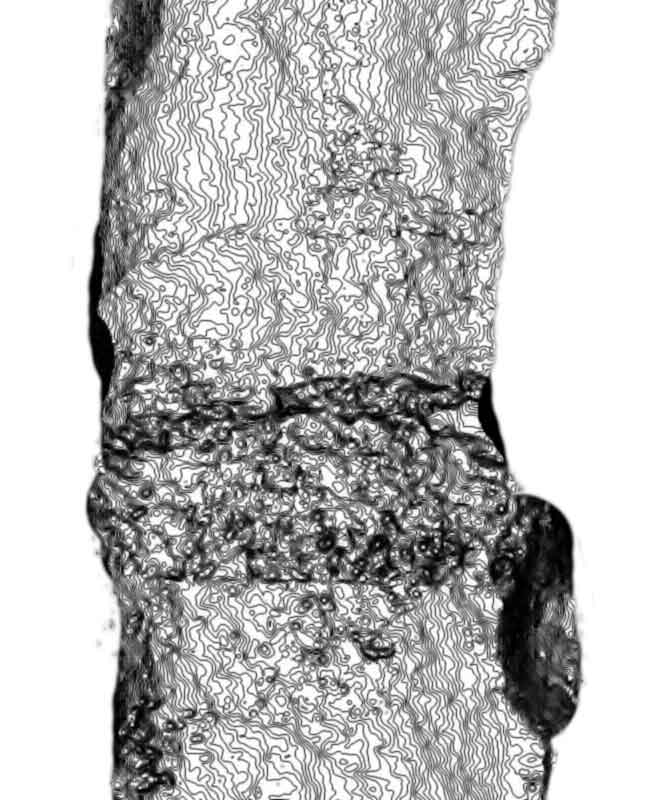
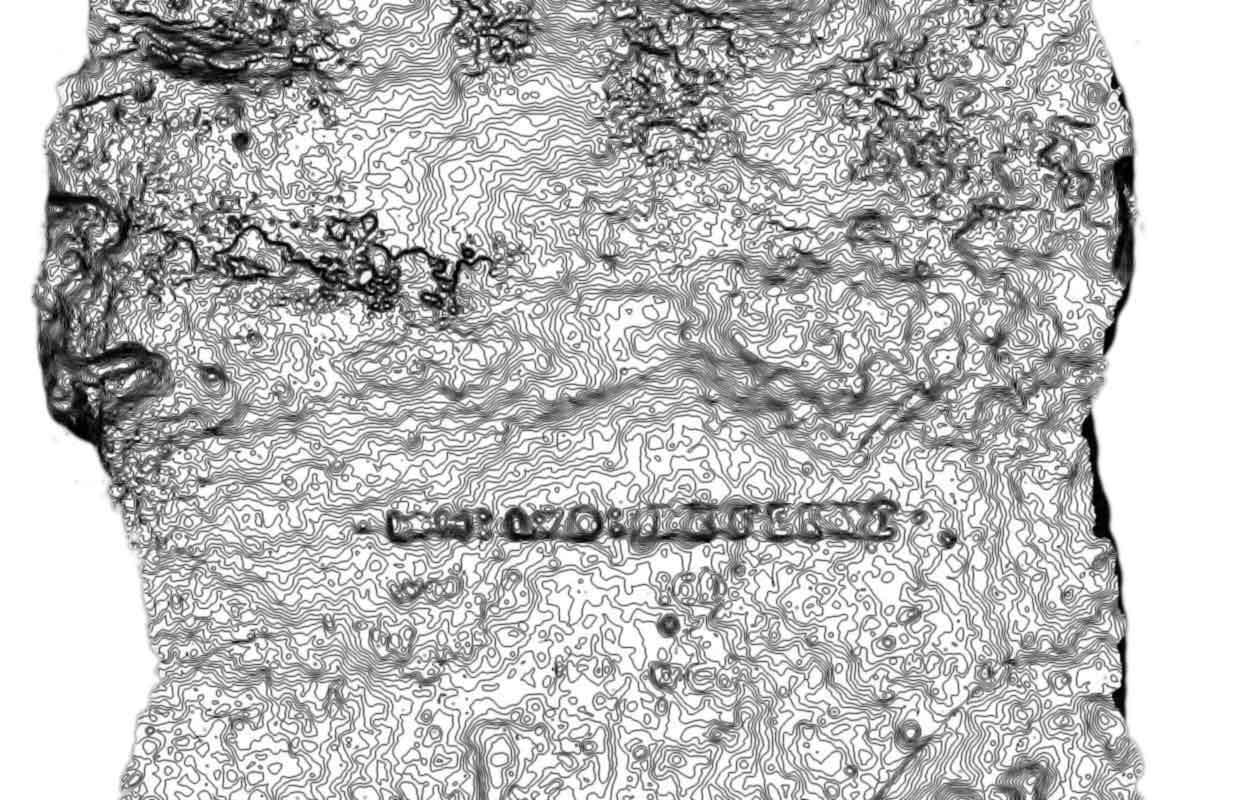
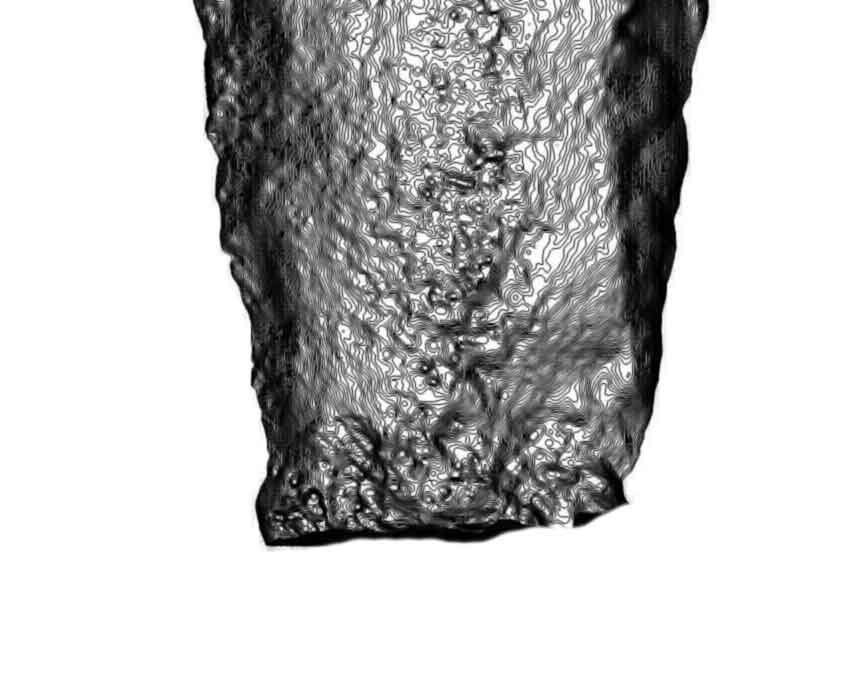
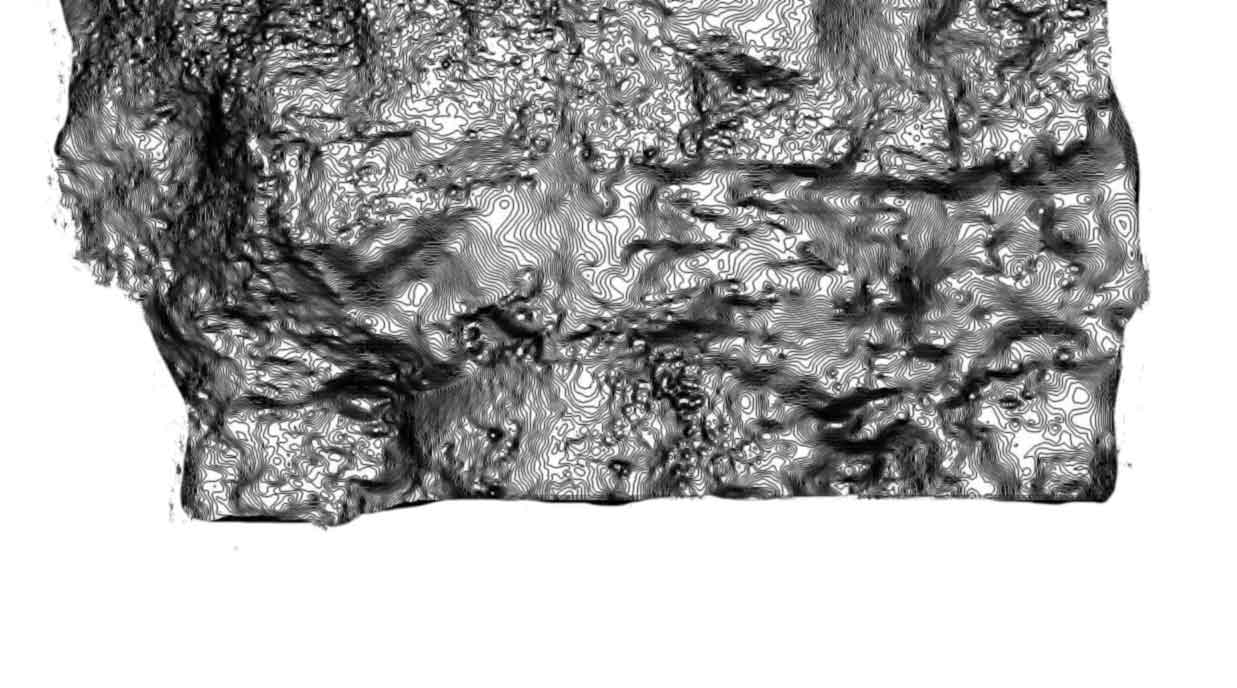
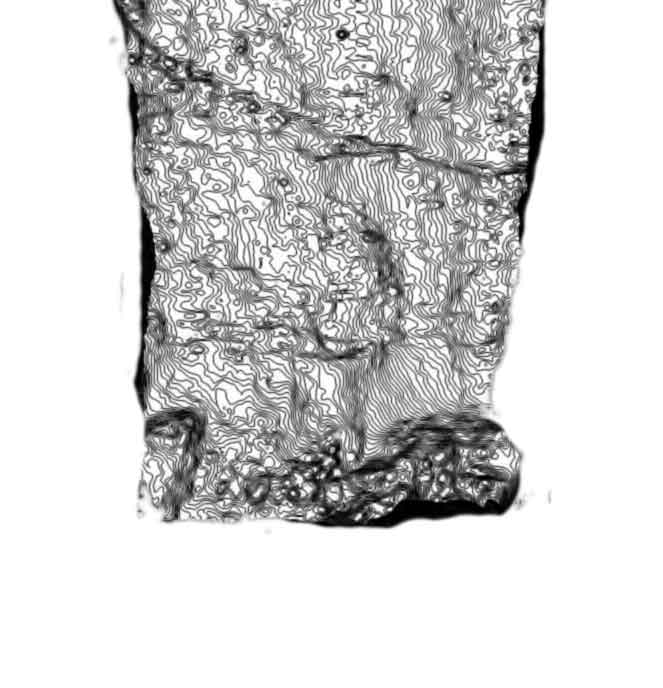
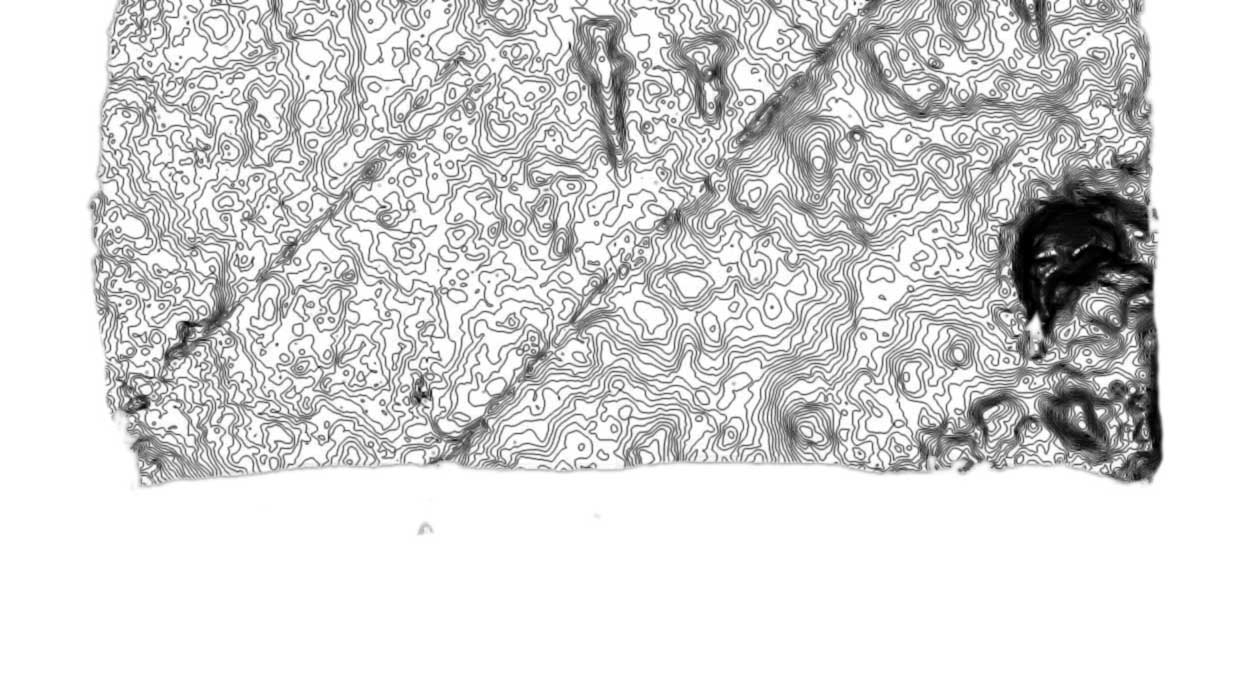
Each 3d print carries its own unique print lines, subtle but quite obvious contour lines, just like a map. That pattern of contour lines is my fingerprint. Not a copyright in itself. Proof. The real stones have no layer lines. A copy carrying my pattern can only have come from my model, never from Stonehenge.
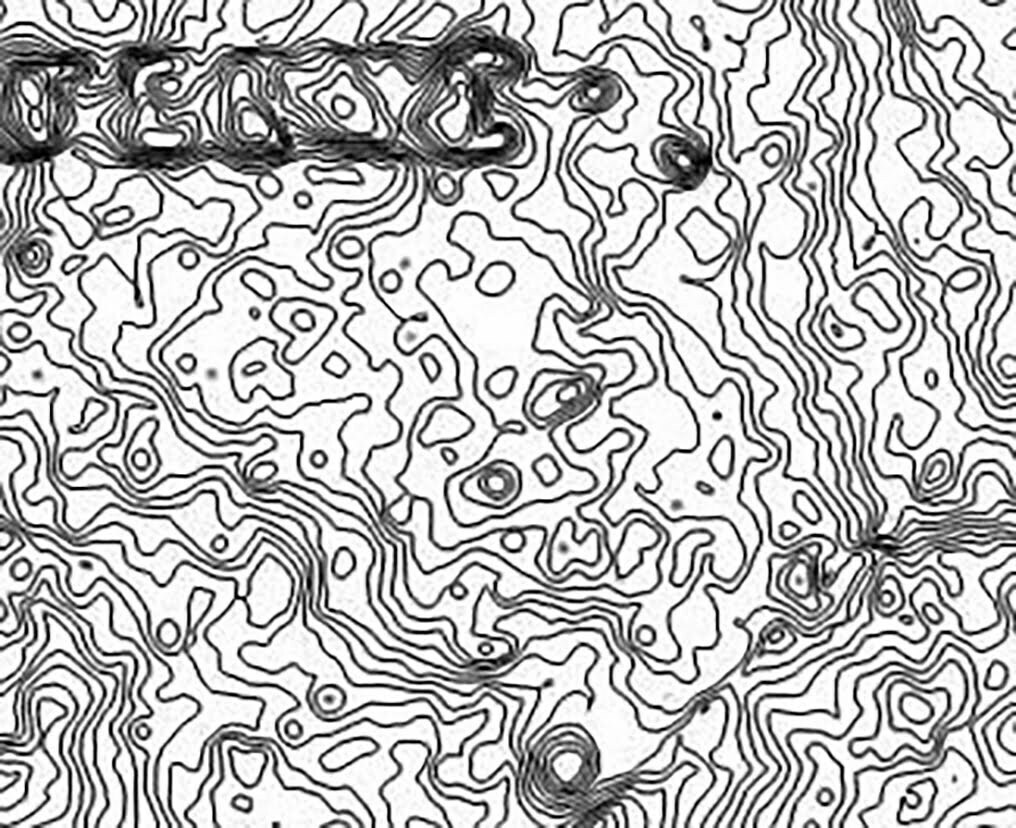
Coming up with the same fingerprint independently would be extraordinarily unlikely. Each slicer produces layers according to the layer height and the model’s angle on the build plate. I say 5µ for simplicity, but it may be anything between 4.5 and 5.5µ – my printers’ NZS allows such madness to several decimal places. The angle adds another variable.
More than one fingerprint
The layer lines are the fingerprint you can see. There are others you cannot.
A decade of photogrammetry does not survive cheap cameras, tourists in shot and scans joined years apart without a great deal of hand work. Filling, fairing, sculpting surface back in. So these are not raw scans, and I have never pretended otherwise. The models are informed by the survey and finished by hand, and that hand-finishing runs through every face of every stone at a scale you would need my files to find.
Which means every copying route fails the same way. Mould one of my models, and you cast my marks. Scan one, and you scan them. Sand and spray and you destroy the very detail you were stealing. And none of it matches the stones on Salisbury Plain, because some of it was never there. I know where. You don’t.
Copyright
Claimed in what I make
I cannot claim copyright in Stonehenge itself. I can claim copyright where my work contains my own original expression.
That may include invented surface work, creative reconstruction where the evidence runs out, finishes, compositions, photographs and renders. Labour and technical accuracy alone are not enough. The fingerprint does a different job: if the same identifying features appear in another object, they are evidence that it came from my model rather than independently from the stones.
Derivative works
Removing or covering a fingerprint does not by itself decide whether a copy is lawful. Original features may remain, and copyright or applicable design rights are separate questions. But if somebody removes everything that is mine and independently reconstructs the real monument, what remains is Stonehenge, which belongs to everyone.
Think of a model of Trilithon Two with a dragon draped around it. Stonehenge remains Stonehenge; the dragon is plainly the maker’s creation. My additions are subtler than a dragon, but the boundary is the same. The hidden identifying features help show when that boundary has been crossed.
This is not a bluff
Mapmakers have played this game for a century. Some plant trap streets, fictitious lanes drawn in to catch copyists. The Ordnance Survey do it differently: no fake data, just fingerprints, tiny habits of house style invisible to user and copier alike. In 2001 the AA paid them 20 million pounds in an out-of-court settlement after those fingerprints kept surfacing in AA atlases, across 500 publications and 300 million printed copies. The AA insisted they’d tried to build their own maps. The fingerprints said otherwise.
The point is narrower than claiming the monument: original material added by a maker may be protected, while facts and independently recreated public-domain shapes remain free. My identifying features help distinguish one from the other.
So, if you fancy selling models of Stonehenge: make your own survey and your own creative decisions. The stones sit in a field in Wiltshire, and their ancient geometry belongs to nobody. Eleven years, mind. Bring sandwiches.
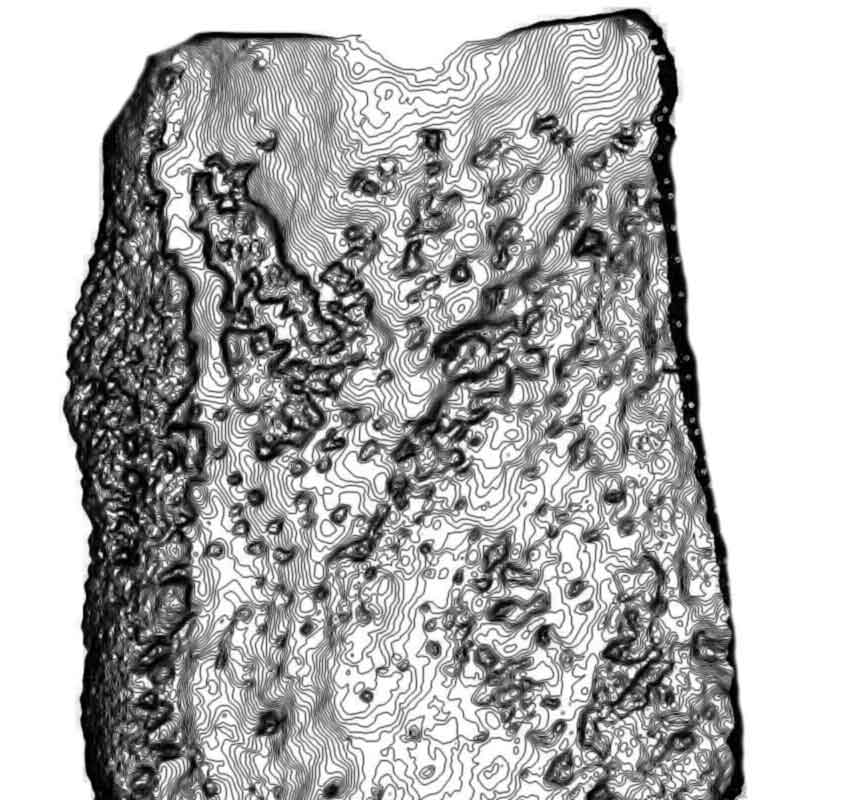
Click on a part to zoom into the contour lines on Stone 53 of Trilithon Two. The fingerprint you’re allowed to see.
All images here are Copyright Steve Hooker 2018
 |  |  |  |
 |  |  |  |
 |  |  |  |
 |  |  |  |