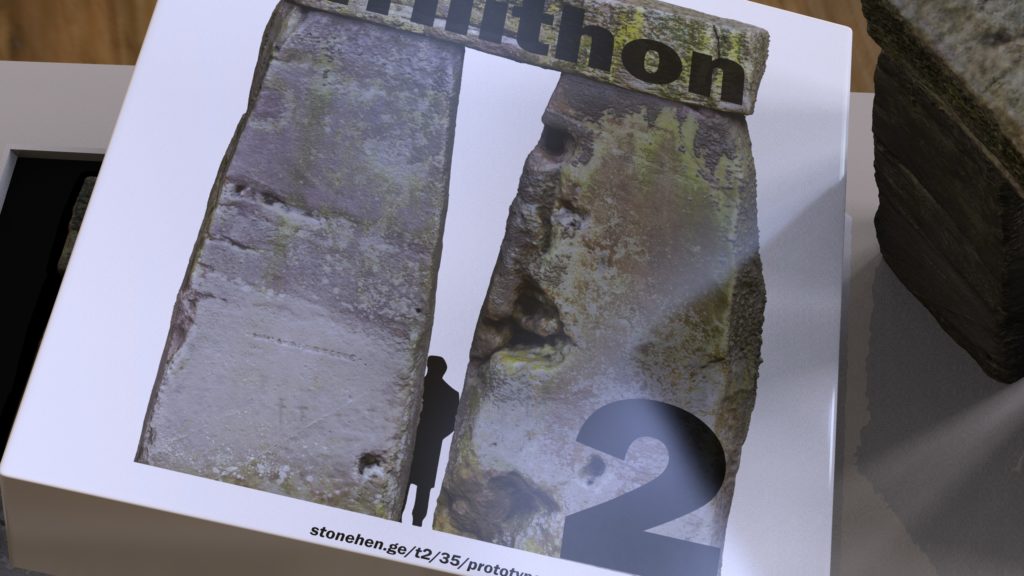
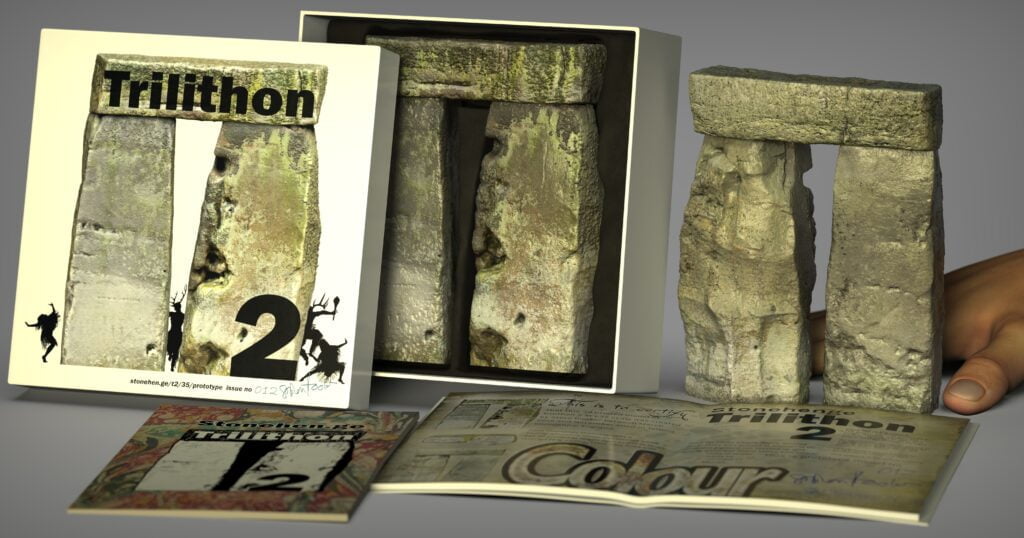
I have an option of 6 different lids to the boxes, characters are for scale. You can choose between:
- Devil fairies
- Sky clad dancing witches
- Crazy shamen and sha-ladies.
- Dancing dead skeletons
- Processing druids
- A caveman and his alien friend
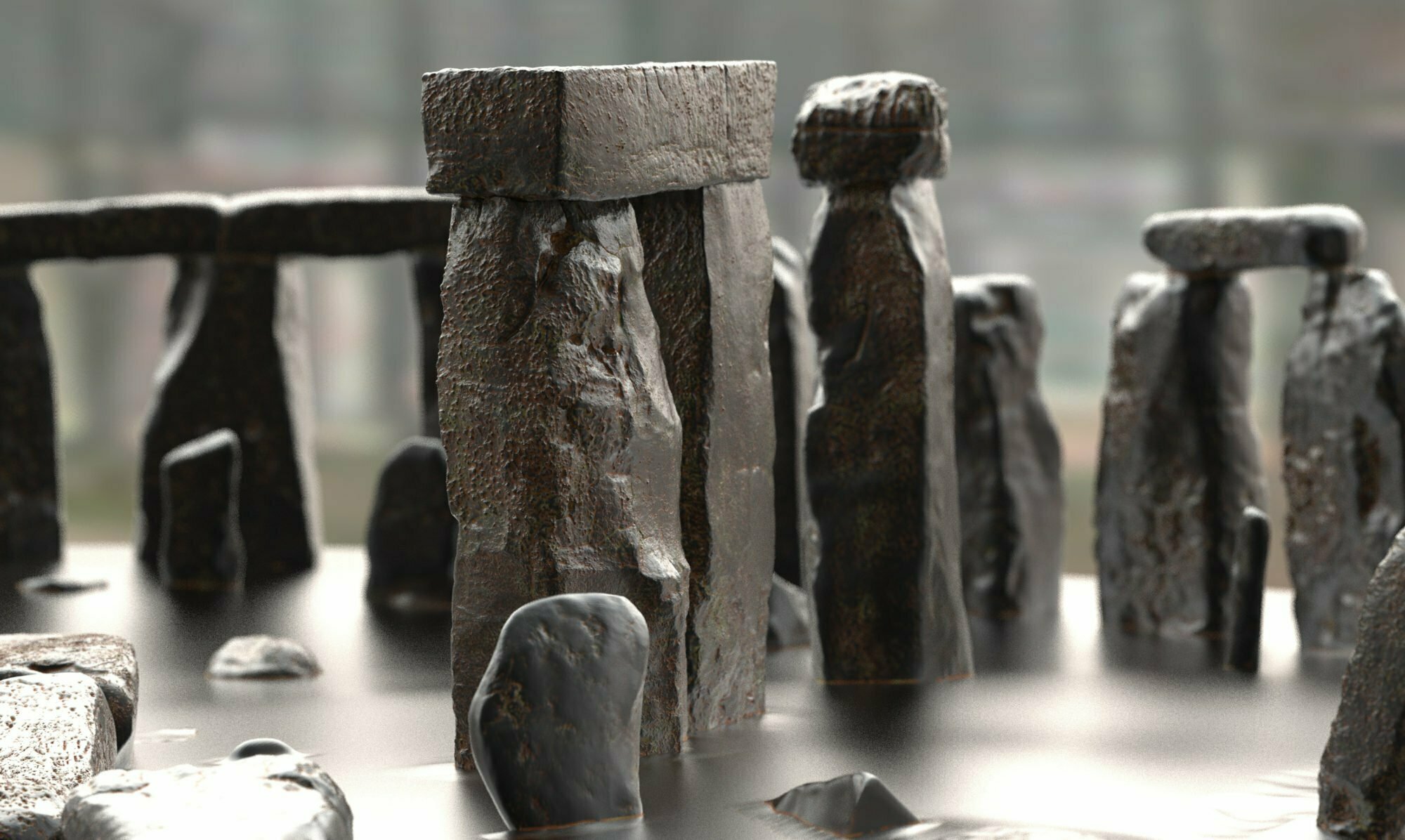
The builders' marks
I have an option of 6 different lids to the boxes, characters are for scale. You can choose between:
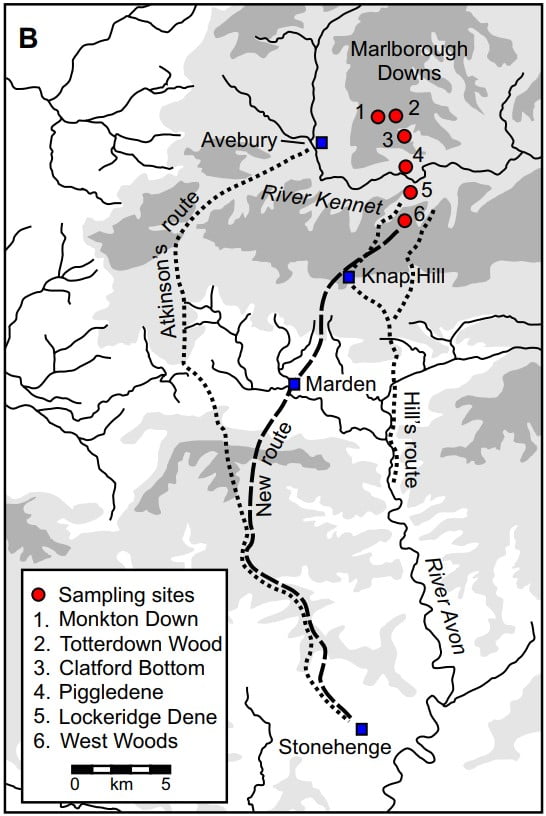
The fingerprinting of the sarsens of Stonehenge is fascinating. Though it took nearly three years and was a year late.
Seems that most of them are of the same type and probably from the same area. Even the Heel Stone! Which, as it is undressed and there’s a pit close by that it could have been pulled from, is surprising. As well, I thought there were at least two types of sarsen, orange and purple. But this seems to be unimportant — now.
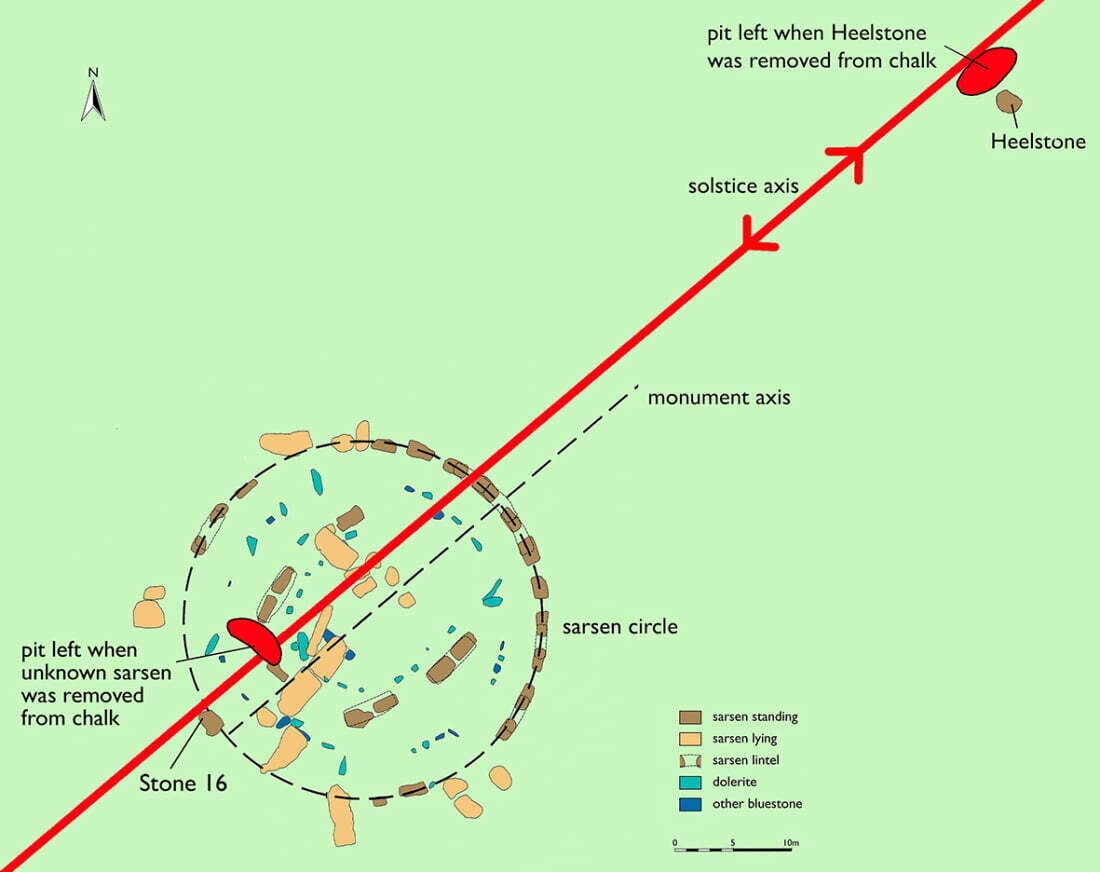
Again, Brian John picks apart the ‘Durrington Shafts’ and points out that even the authors think that the northern arc is likely natural.
It pisses me off so much that the Stonehenge area has become so full of big junk science. It’s hard to get to the small truths.
Some of these holes (none are shafts) could well be sarsen extraction pits, which is far more important and has been ignored in this recent paper.
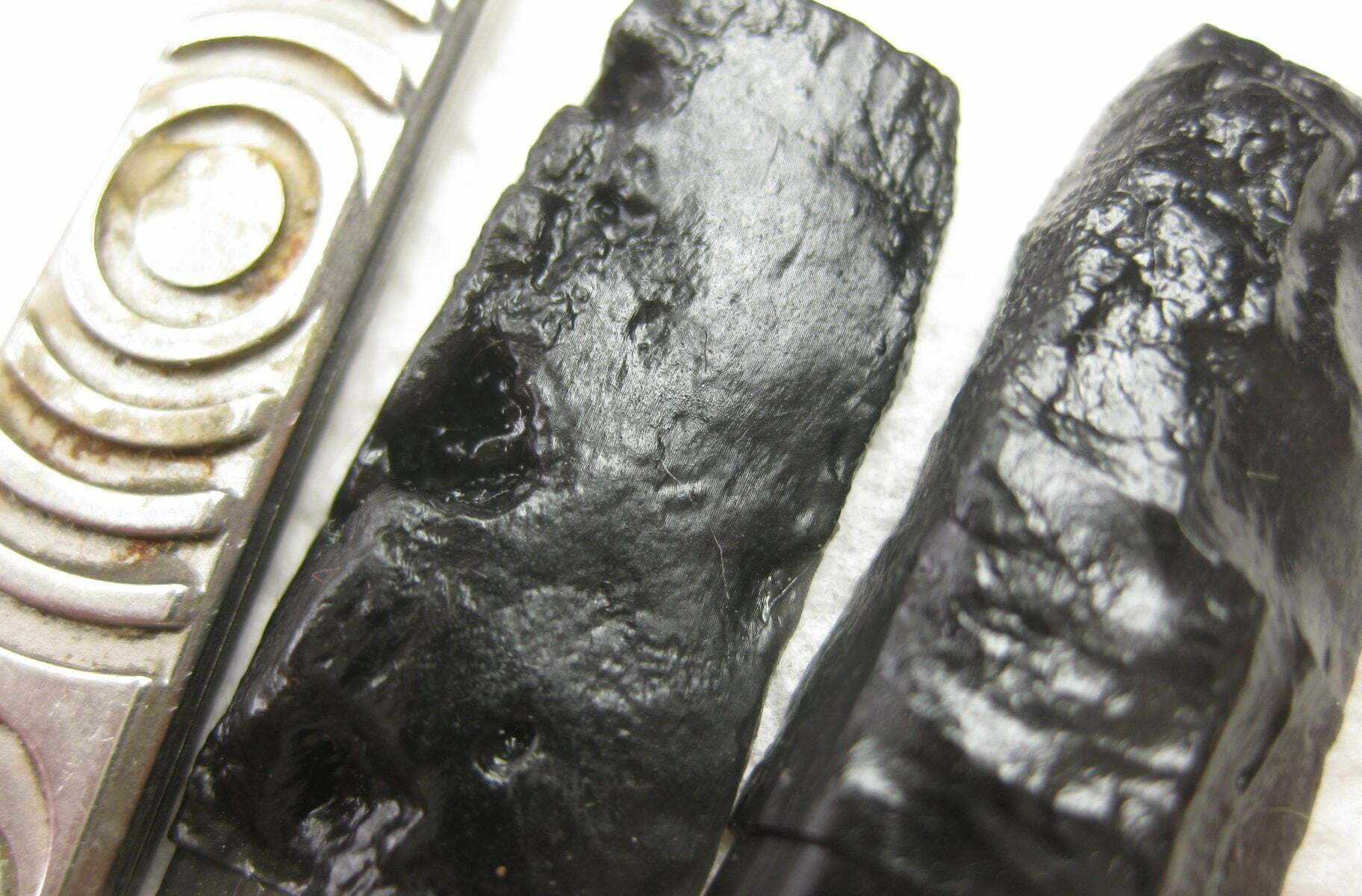
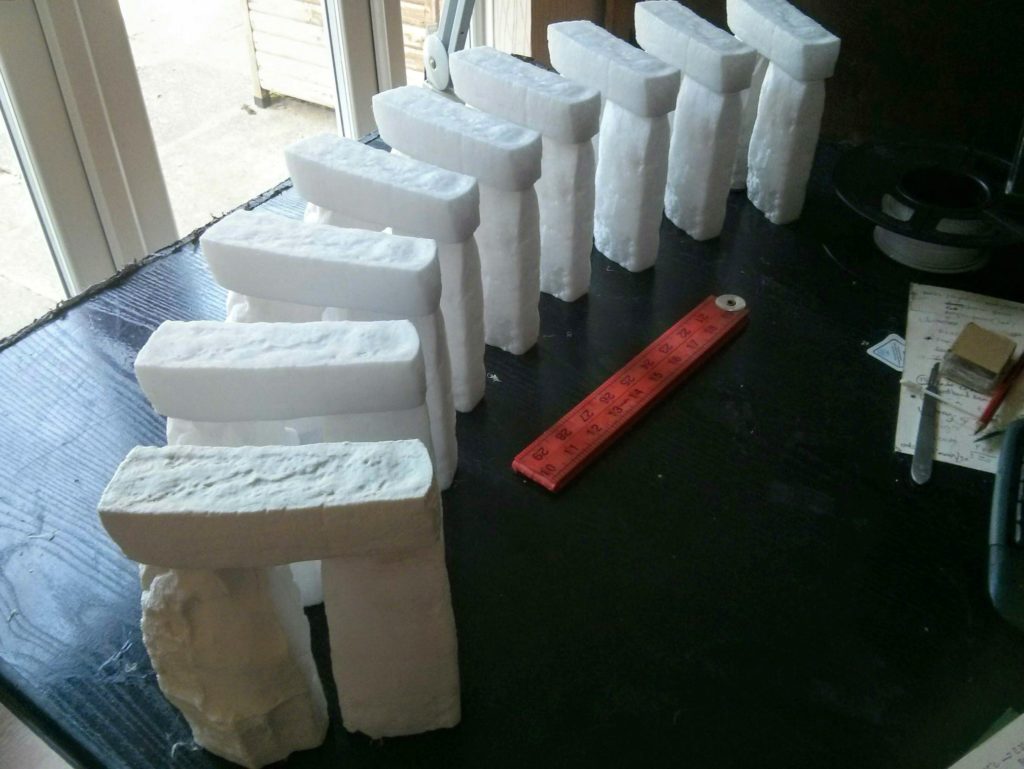
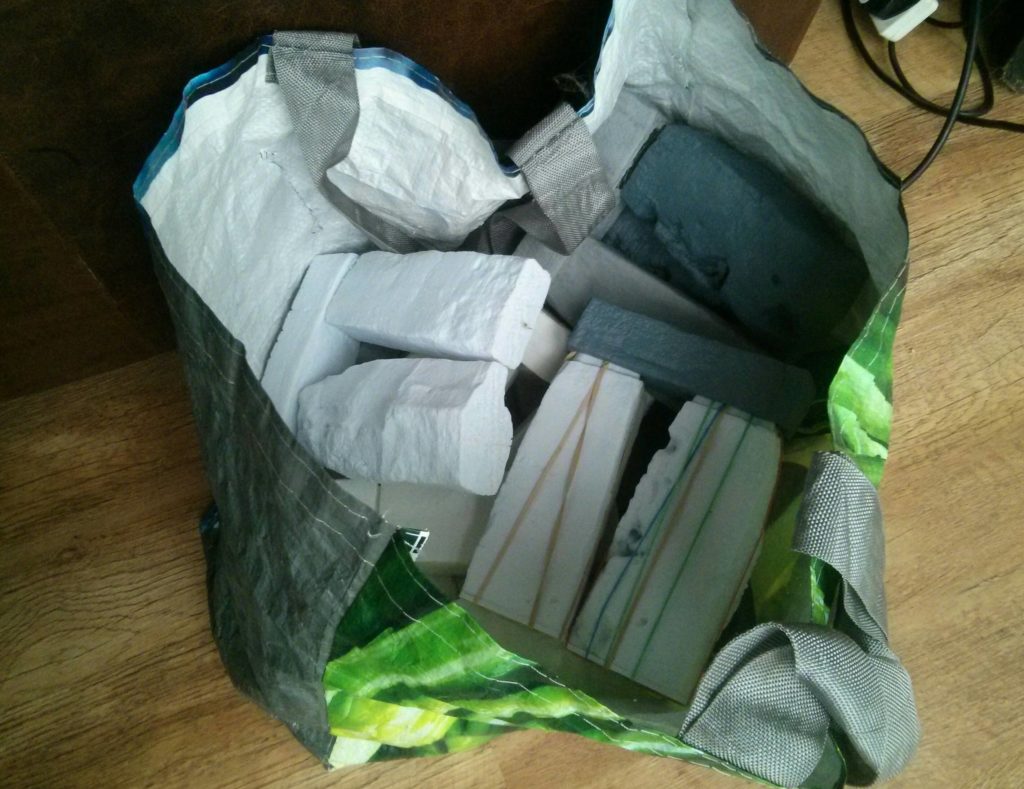
I posted these photographs to the Wanhao Duplicator 7 Facebook group a year ago, but, oddly not here. Catching up.
Continue reading “200th scale prints”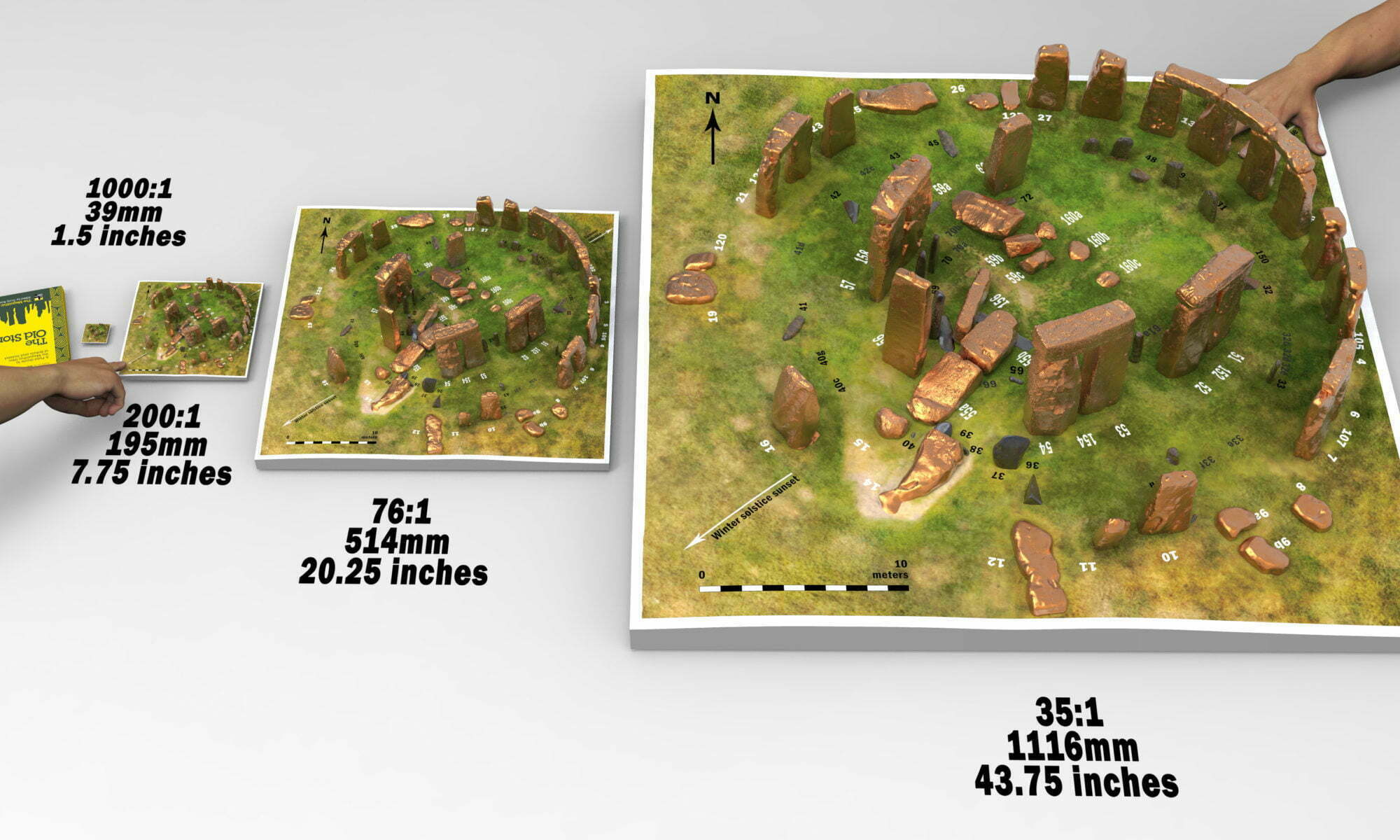
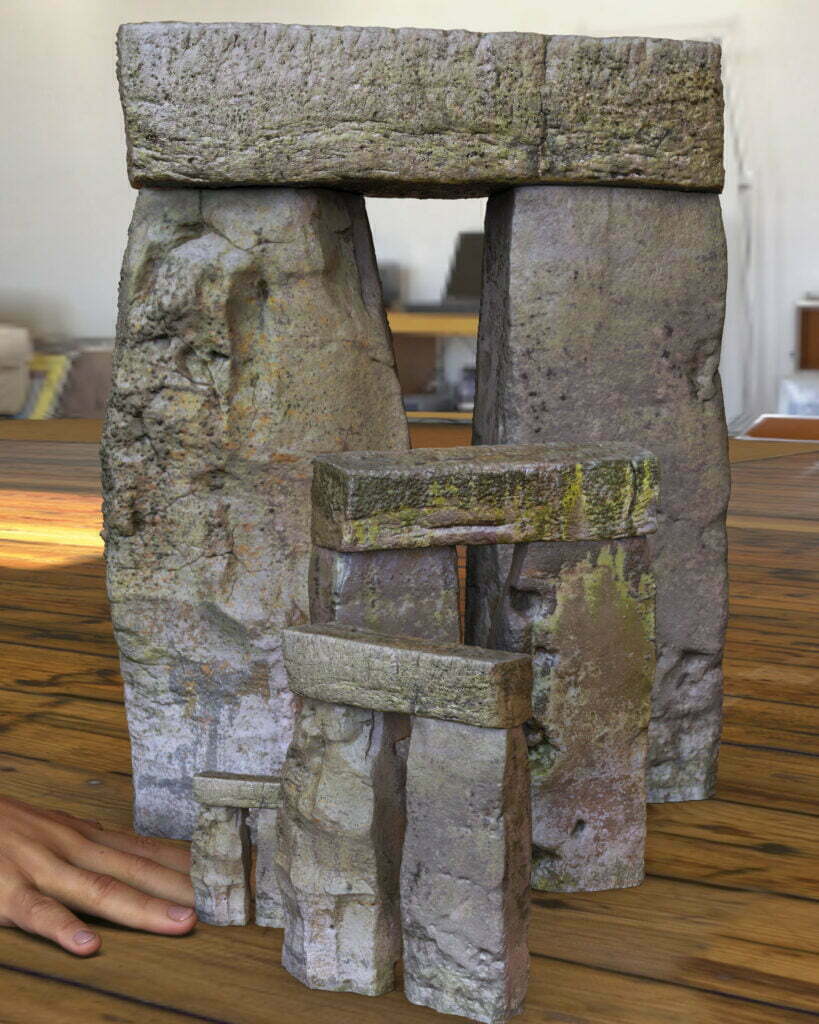
Rendering of the four sizes. In bright copper sarsens, rusty iron bluestones and grass with numbers base. More variation examples here:
http://stonehen.ge/200th
76th scale 514mm square T2 83mm high (20¼” 3¼”)
35th scale is 1116mm square T2 180mm high (43¾” 7″)