Back in August I said I’d make the case for a Clyde-region Altar Stone somewhere with more room in it. This is the room.
The builders' marks
Back in August I said I’d make the case for a Clyde-region Altar Stone somewhere with more room in it. This is the room.
Partisan. Say it up front. I think ice moved the big stones of Britain about and people stood them up, and I thought so before the geology got interesting. So read what follows as a man with a side and a map.
The occasion is a new paper on the Devil’s Arrows, the Millstone Grit monoliths beside the A1 at Boroughbridge, North Yorkshire. Put up something like 4,000 years ago (BC 2,000). The paper matches their zircons to Brimham Rocks, a crag 18 km west, and concludes that Bronze Age people picked that crag on purpose and dragged the stones eleven miles to a spot with no gritstone of its own. Deliberate sourcing. The word is in the title.

Artist first. Geology A level a distant third, and that was forty-five years ago. What follows was worked out in conversation with an AI, then checked against the documents. Where the checking ran out, I say so.
It is a reply to Brian John, who picked up my Glacial A303 post, and then answered a question I put to him. His answer changed what I think is worth asking for.
They complained. Traffic past Stonehenge was glacial, they said, all because drivers slow down for a gawp at the stones. Little did they know. Four hundred and fifty thousand years ago the whole queue might have been sitting under an ice sheet.
Might. Hold on to that word; it does all the work in this post.
So they decided to build a tunnel. Under a UNESCO World Heritage Site. You cannot just dig; you have to check the buried history first. So they dug, and drilled, and augered, and trenched. Seven hundred times.
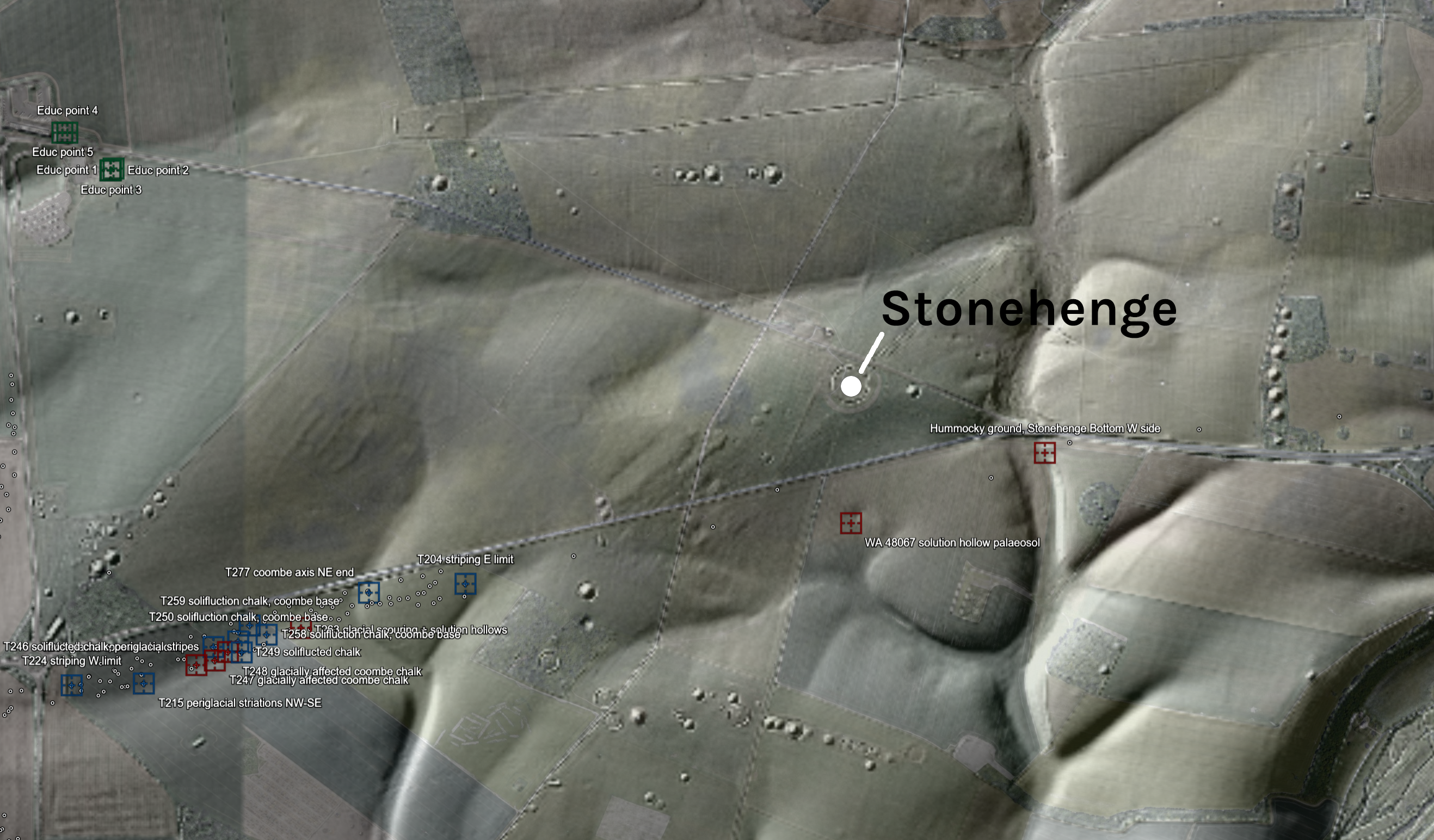
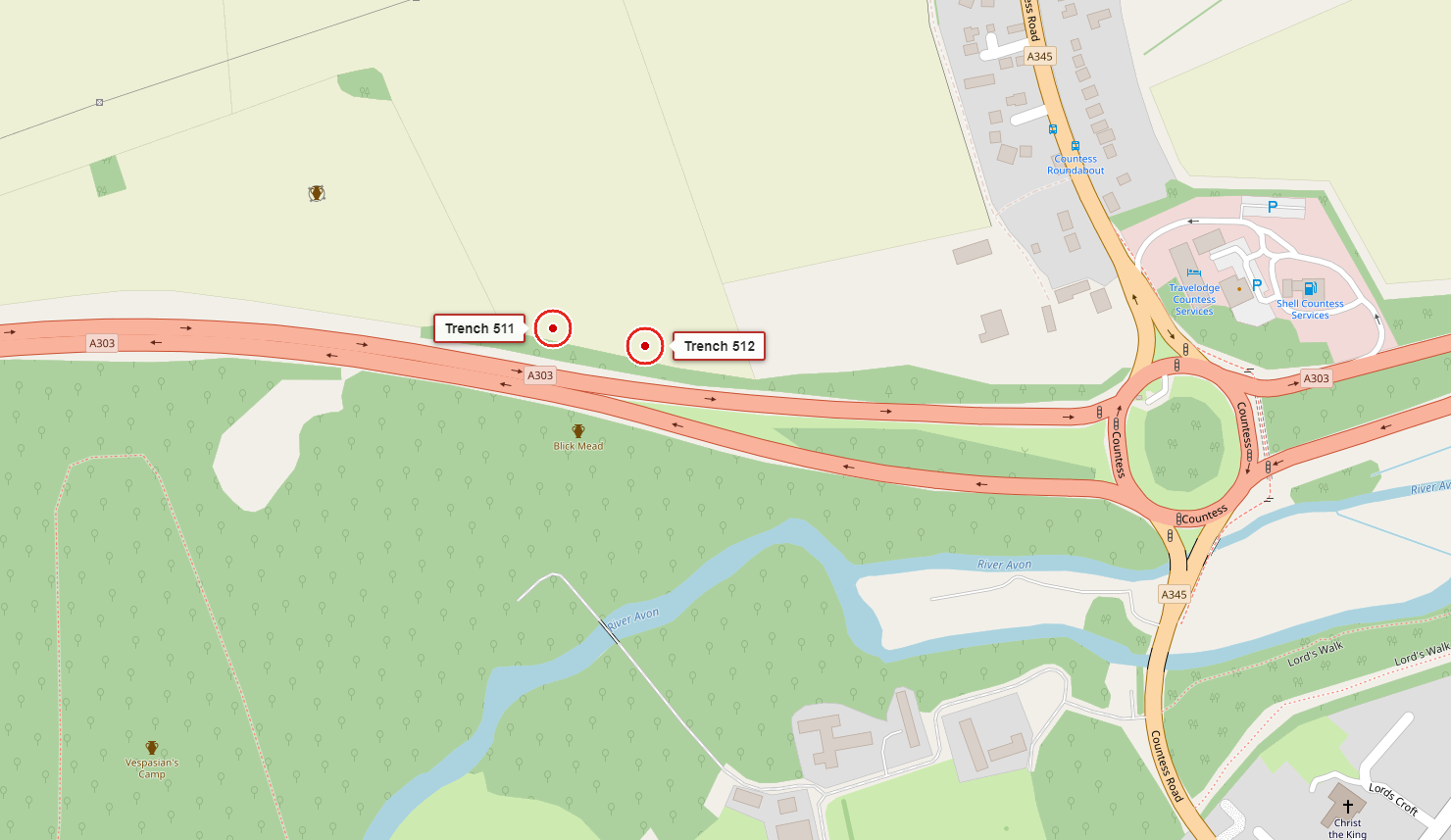
The picture above is the whole area under LiDAR, low sun from the north-west, every bump on Salisbury Plain standing to attention. The coloured squares are my gazetteer. Red for the primary records. Blue for trenches where the diggers wrote cold-climate words on their sheets. Grey for a line of auger holes, green for a 2023 evaluation by the visitor centre, purple for a borehole transect, orange for four drilled cores that went off to a laboratory and never came back. All of it lives in a Google Earth file you can spin round yourself. Turn the layers on and off. Fly about. It is the best free toy I have made all year.
I have read the lot. Forty-three public documents, 11,302 pages of borehole logs, trench sheets, laboratory appendices and method statements, put through a scanner with one question: ‘did anybody, anywhere along that road, record anything glacial?’ All from one road scheme, mind; Historic England’s own archive is another trawl for another day. What came back is not proof. Hints. But damn, some of them are suspicious.
Continue reading “The glacial A303”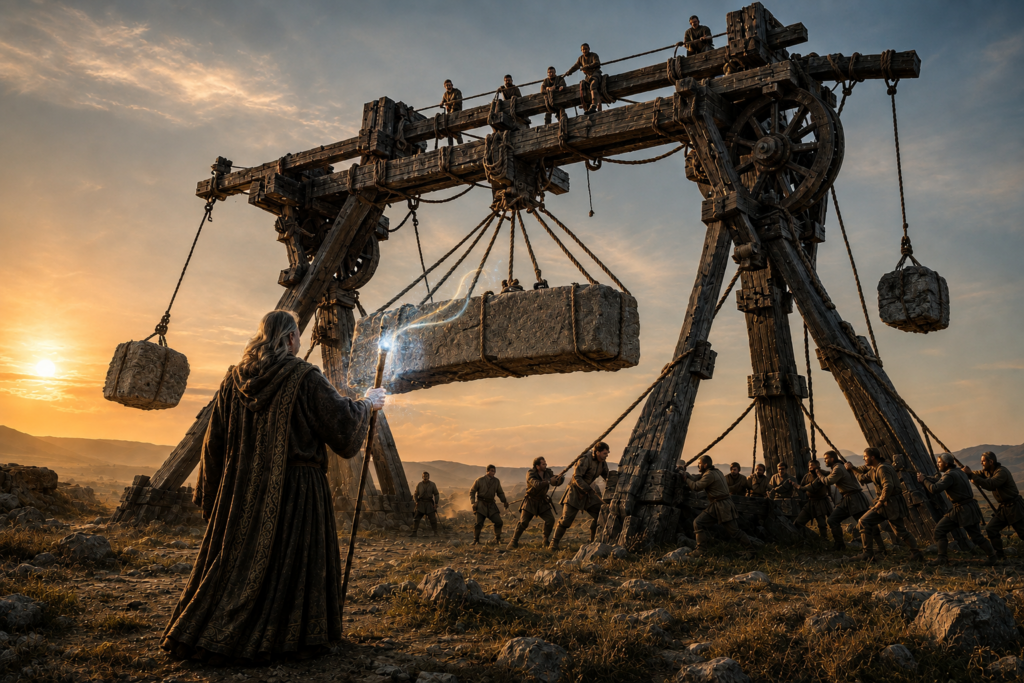
Nobody has ever wanted the boring answer. Nine hundred years of people explaining how the stones got onto Salisbury Plain, every one of them with a better version than the last, and not one of those versions has ever been “the ice put it there.”
Continue reading “Anyone but boring old nature”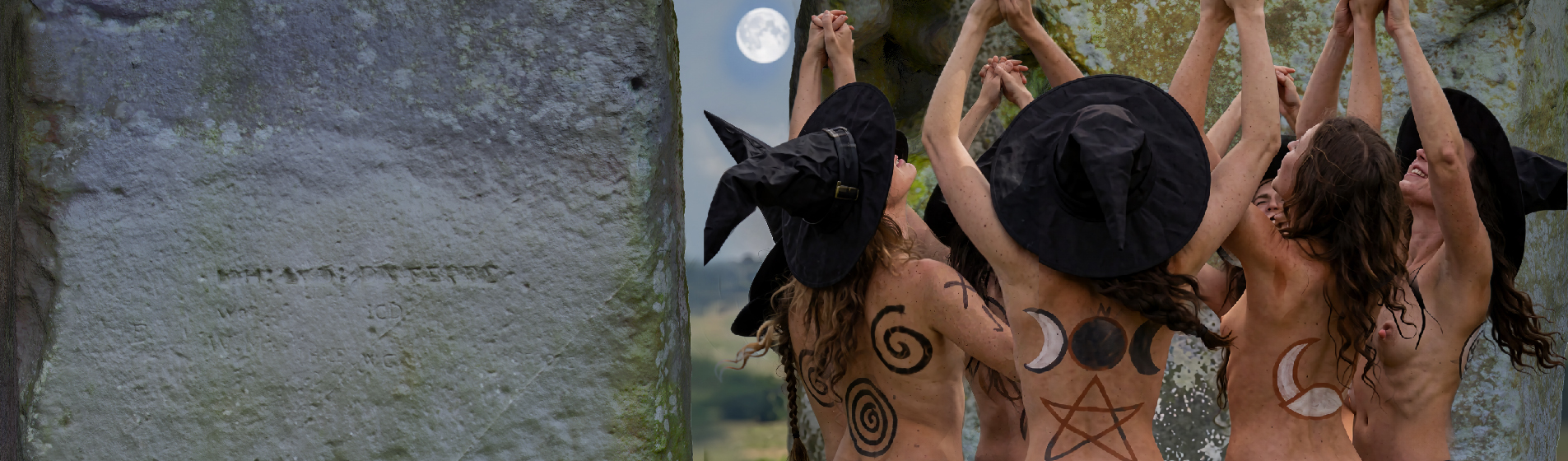
Stonehenge has never been short of folk who reckon something unaccountable goes on… Far out there, man. Far out there.
The Devil got in first. Bought the stones off an old woman in Ireland, magicked them over by night, then chucked one at a friar who caught him at it. Hence the Friar’s Heel.
Then there’s the counting. Four hundred-odd years ago, back around Elizabeth I, it was held that nobody could count the stones twice and arrive at the same total, and that whoever managed it would come to a bad end. Nobody ever says what sort of bad end. That’s the trouble with a curse. No docket. No paperwork. Nobody to ring. No Google to query. No help’s coming. (I know that trick.)
The witches turned up considerably later. Skyclad rites at the stones are a 1950s and 60s invention, Wicca first, then the free festivals, yes, sometimes naked, but as ancient as a Ford Anglia. Hasn’t stopped anybody. Thursdays out there are usually strange.
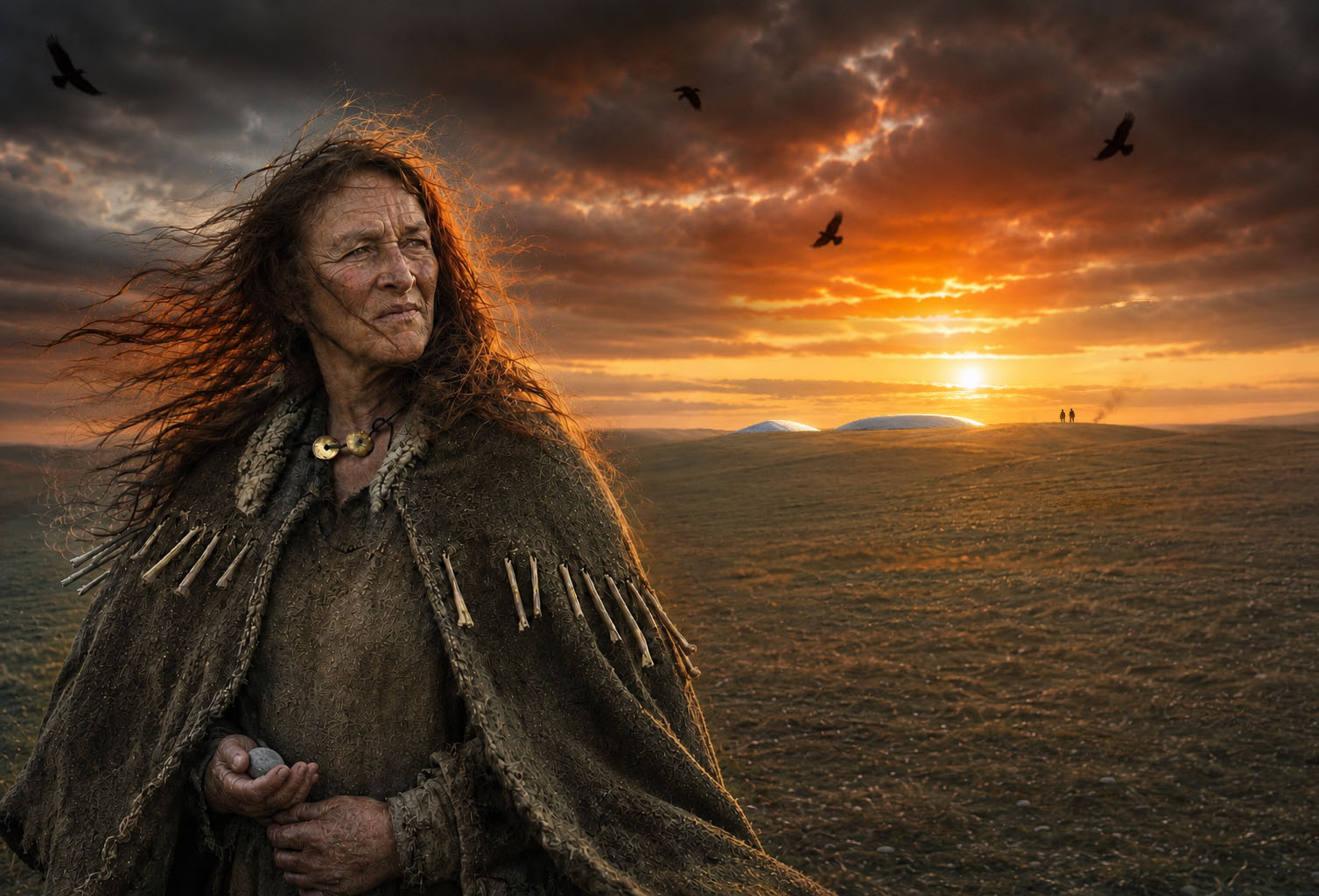
Well, well, well. The Upton Lovell shaman, dug out of a Wiltshire barrow in the early 1800s and shown off ever since as a bearded bloke in a bone cloak, turns out to have been a woman – a shamanka. Ancient DNA, three separate bones, the same answer each time. She lived around 3,800 ya (BC 1,800), and she was buried barely 10 miles (16km) west of Stonehenge.
Derived from the Tungusic word šaman meaning “one who knows” a shamanka is a female shaman. The word combines the term “shaman” with the Russian feminine suffix “-ka.”
The top part of the broken and fallen ‘fat’ upright from the central Trilithon 3 — it lays across the Altar Stone. Much of the graffiti on the top has worn away. Can just make out:ƗANE FLEMƗNG 1747
I suspect the upper case letter I with the stroke through it would be the Latin form.
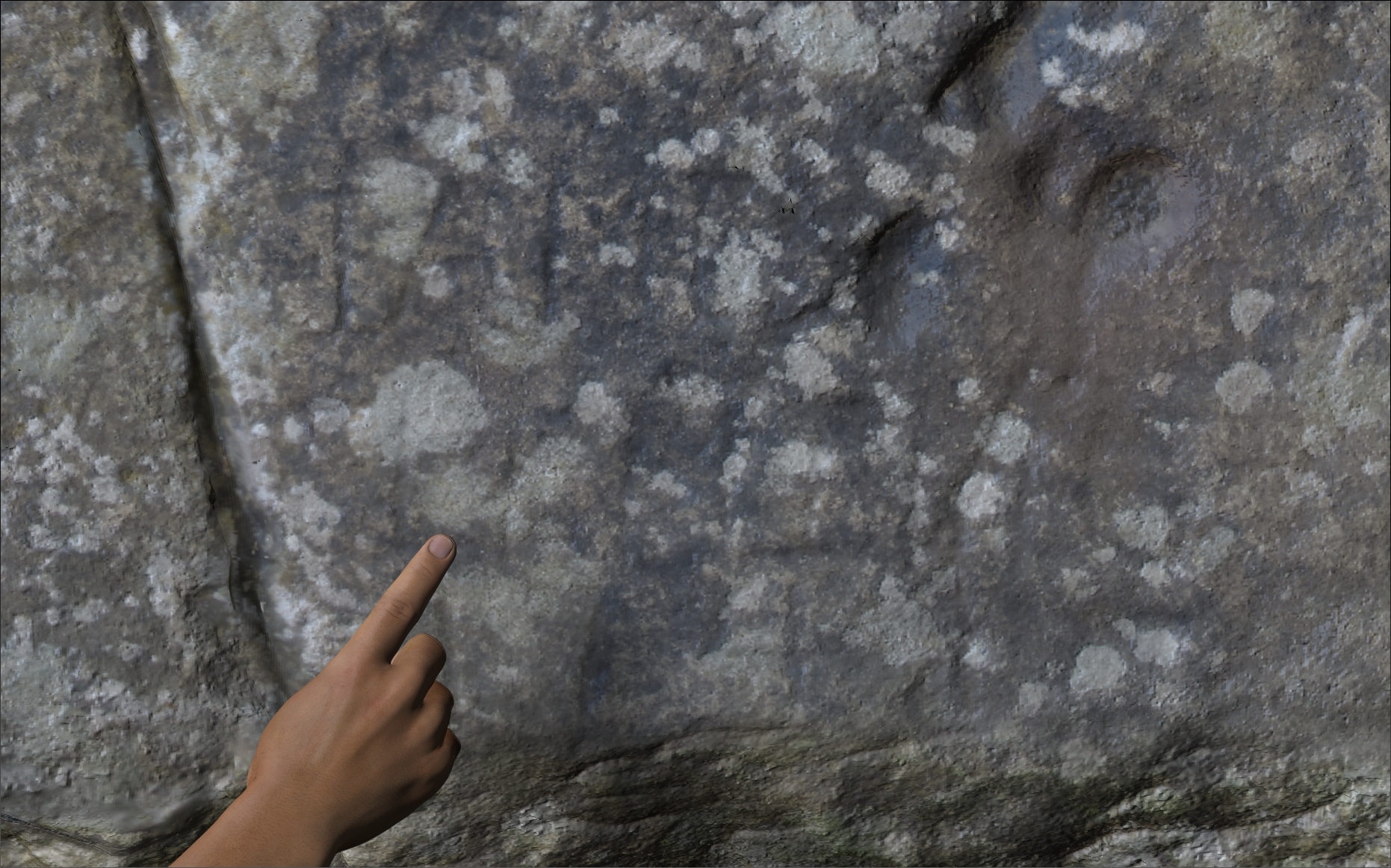
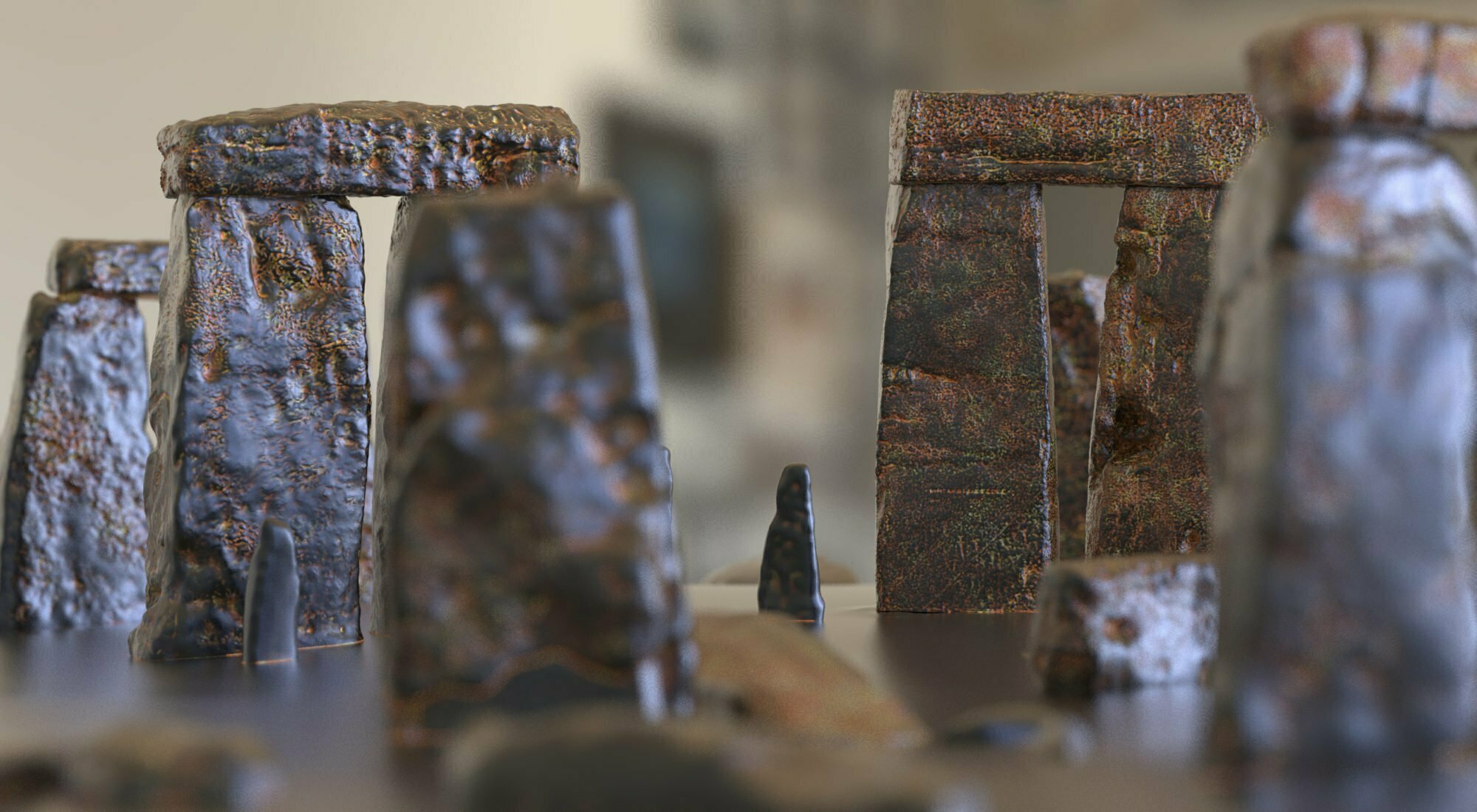
Long been fascinated by these carvings. I think this stone will be the Rosetta Stone of Stonehenge. Seen with other original markings on 59a and the back of 54. There’s definitely method in the carvers’ madness.